



Bearing clearance is the deliberate space between a bearing's rolling elements and its raceways, and it decides how the bearing behaves under load, speed, and heat. It is not an afterthought in bearing selection: the wrong clearance group can produce vibration, noise, overheating, or premature failure. If you are selecting a deep groove ball bearing for a motor, pump, gearbox, or automotive assembly, the clearance group you choose (C2, C0, C3, C4, or C5) matters as much as bore size and speed rating.
What Is Bearing Clearance?
Bearing clearance is the total distance by which one bearing ring can be moved relative to the other in the radial direction. For a deep groove ball bearing, this is the gap between the balls and the inner and outer raceways before the bearing is fitted onto the shaft or into the housing.
The clearance you measure on a new bearing is called the initial clearance. It changes after installation because of interference fits and temperature changes. The clearance that remains when the bearing is running at operating temperature is the operating clearance, and that is the value that actually controls friction, noise, and load distribution.
For deep groove ball bearings, radial clearance is usually the main specification. Some bearings also have an axial clearance value, but in most standard industrial applications you select the bearing by radial internal clearance group. Always confirm the exact range against the factory's bearing clearance technical data .
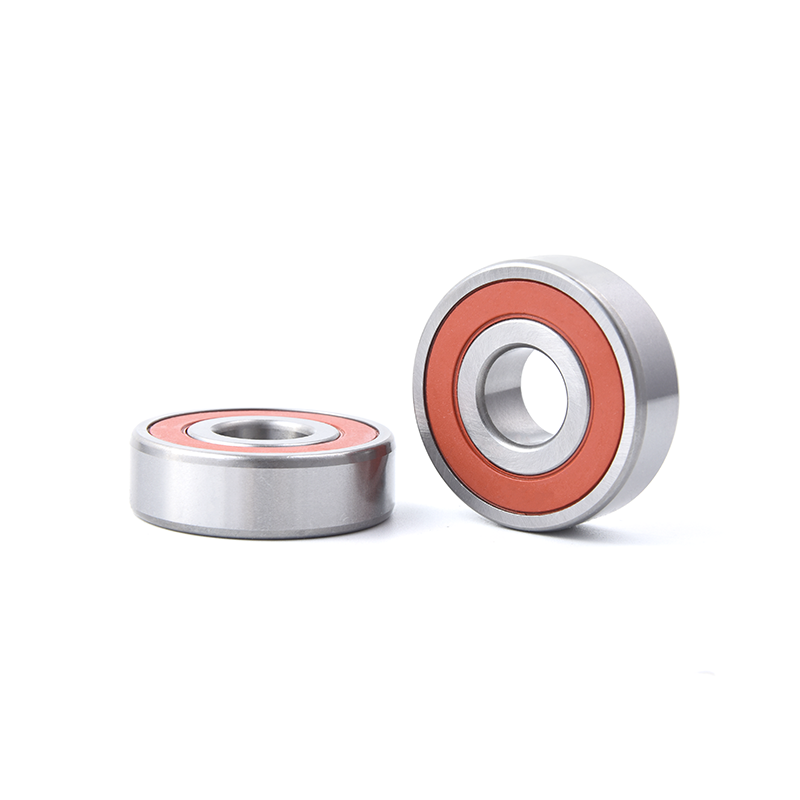
 Deep Groove Ball Bearing 60 Series with Multiple Clearance and Sealing Options The 60 series offers radial clearance groups C0 to C5 and various seals, making it easy to match operating conditions. Available in GCr15 steel with precision grades 0 to 2, it suits many industrial applications. View Product →
 Why Does Bearing Clearance Matter?
Bearing clearance plays a direct role in bearing temperature, noise, vibration, and service life. A bearing with too little clearance will run hot and may sustain early fatigue; a bearing with too much clearance will create vibration and reduce load-carrying stiffness.
When clearance is too tight, the rolling elements are compressed between the rings. This creates preload, which increases friction and generates heat. In high-speed applications, the resulting temperature rise can cause the bearing to seize.
When clearance is too large, the rolling elements have room to move sideways. This leads to skidding, uneven load sharing, and measurable shaft vibration. In precision equipment, excessive clearance is a common cause of reject-level noise and premature wear. The goal is to select a clearance group that leaves a small but positive operating clearance for the majority of the running cycle.
Common Internal Clearance Groups for Deep Groove Ball Bearings
Most bearing manufacturers use the ISO clearance groups C2, C0, C3, C4, and C5. C0 is the normal clearance, and it is suitable for most general-purpose applications with moderate speed, load, and temperature. C2 is tighter than normal and is rarely used; C3 and C4 provide progressively more clearance for applications with higher speeds, increased interference fits, or significant temperature gradients.
| Group | Radial Clearance (µm) | Typical Application |
|---|---|---|
| C2 | 3–9 | Low speed, light load, small interference fit, precision spindle |
| C0 (Normal) | 7–15 | General industrial motors, pumps, fans, moderate speed |
| C3 | 13–23 | Electric motors with larger interference fit, higher speed, some temperature rise |
| C4 | 21–33 | Large temperature gradients, high speed, heavy housing interference |
| C5 | 31–45 | Very high speed, high ambient temperature, special machine tool applications |
Note that these values apply to radial internal clearance. The exact range depends on bore diameter, so always check the bearing series dimension table before ordering.
How to Choose the Right Bearing Clearance
Start with the operating conditions, not with a fixed clearance value. The four factors that most often shift your choice are operating temperature, mounting fit, speed, and load.
Operating Temperature
As bearing temperature rises, the shaft and housing expand. In most arrangements the speed and load raise the temperature of both parts. For a temperature rise above roughly 30°C, choose a wider clearance group such as C3 instead of C0.
Mounting Fit
An interference fit on the shaft or in the housing reduces the clearance by an amount equal to the interference. If you specify a heavy press fit on the shaft, the initial radial clearance must be bigger to compensate. A 6204 bearing pressed onto a shaft with a 5 µm interference will lose about 5 µm of clearance, so a C3 group is often safer than C0.
Speed and Load
Higher speeds generate heat and may require more operating clearance. Heavier loads, on the other hand, benefit from a moderate clearance that keeps the rolling elements in contact with both raceways without creating preload. In practice, many industrial applications use C3 for consistency across operating ranges.
- Select C0 when speed is moderate, fit is light, and temperature rise is under 30°C.
- Select C3 when the motor or pump has a slip fit on the shaft and normal operating temperature.
- Select C3 or C4 when the shaft runs hot and the housing has a press fit.
- Select C2 only for special low-clearance requirements confirmed by the equipment designer.
- For custom clearance outside standard groups, discuss your requirement with the bearing manufacturer.
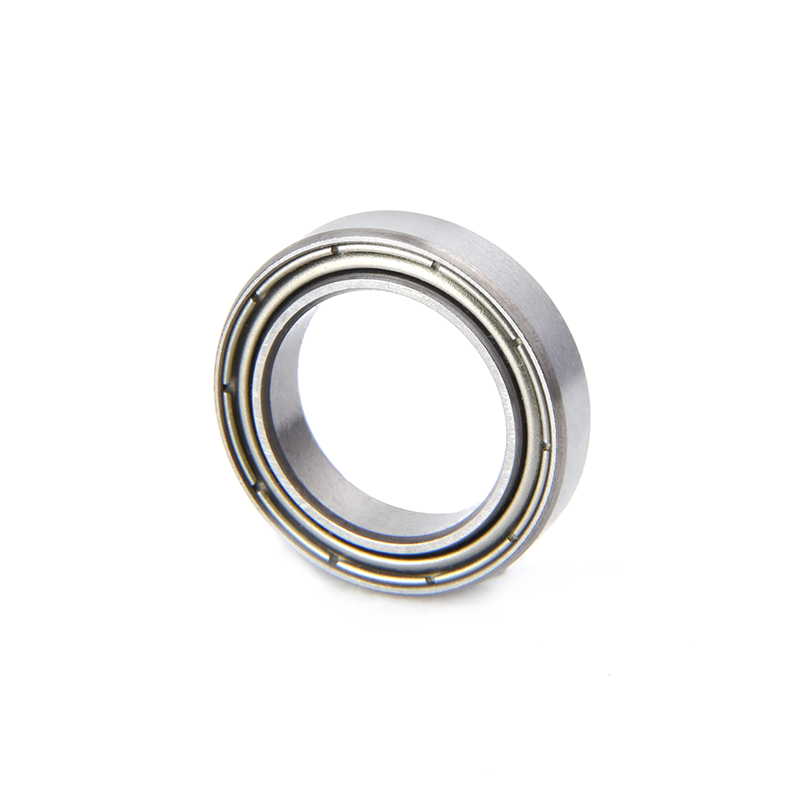
Deep Groove Ball Bearing 63 Series for Heavy Radial Loads in Compact Spaces The 63 series provides a thicker section and higher load capacity, ideal for compact heavy-load applications. It shares the same material and clearance options, ensuring reliable performance under demanding conditions. View Product → If your application combines heavy radial load with a compact envelope, the 63 series is a common choice because of its thicker section and higher load capacity. If you are not sure how your shaft and housing fits affect the final clearance, our engineering support team can review your load profile and the mounting fits.
Frequently Asked Questions About Bearing Clearance
What is the difference between internal clearance and operating clearance?
Internal clearance is the gap measured before mounting. Operating clearance is the actual gap after the bearing is installed and reaches its running temperature. Operating clearance matters most because it reflects the true running conditions.
Can I measure bearing clearance with a feeler gauge?
For rolling bearings, a feeler gauge is not practical for measuring radial internal clearance inside the bearing. Use a dial indicator or a specialized clearance gauge. For engine main and rod bearings, the feeler gauge or Plastigage method is common, but that governs a completely different type of bearing.
What clearance group should I choose for a standard electric motor?
For most industrial motors, C3 is a common starting point because of the standard shaft fit and operating temperature range. For small, lightly loaded motors running at steady temperature, C0 can be adequate.
Does grease or oil lubrication affect bearing clearance?
Lubrication does not change the physical clearance, but it does affect the effective performance. An adequate lubricant film can compensate for minor clearance variations, while poor lubrication can magnify the effects of wrong clearance. Use the recommended grease or oil quantity for the speed and load.
Bearing clearance is a specified parameter, not a random by-product of assembly. Approaching it with the right fit, temperature, speed, and load in mind will reduce unplanned maintenance, lower noise, and extend bearing life.
For applications that need clearance values outside the standard ISO groups, a custom deep groove ball bearing can be designed to your exact requirement. That is often the only practical route when fit conditions, temperature, or load do not match standard catalog values.
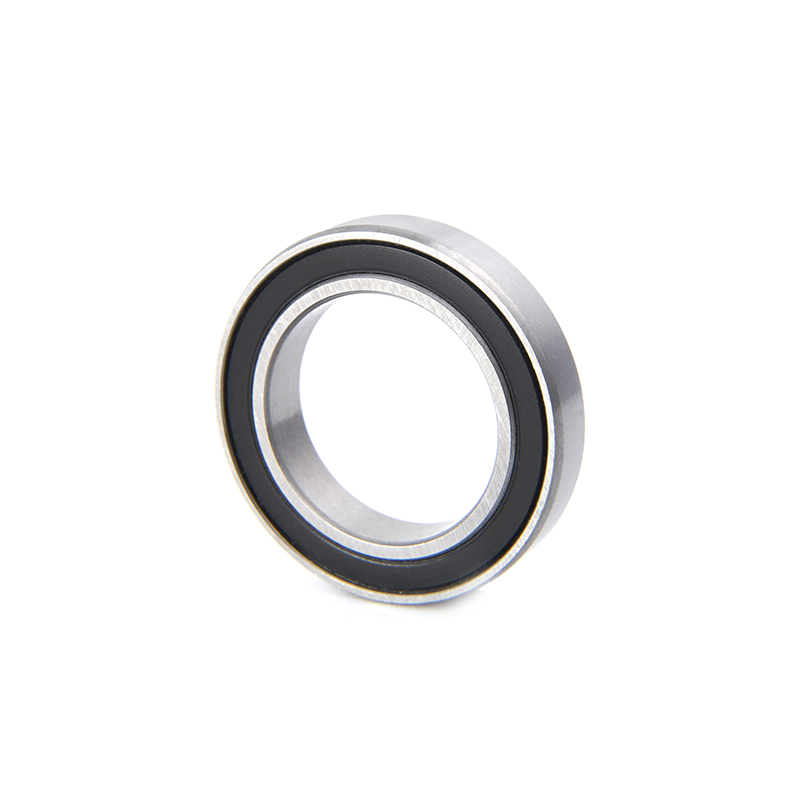
Non-Standard Deep Groove Ball Bearings Customized to Customer Drawings For applications where standard clearances don't fit, non-standard bearings can be manufactured from drawings or samples. These custom solutions offer high stability and are backed by extensive R&D experience for special equipment. View Product → Before you place an order, compare your fit and temperature data with the bearing clearance technical data or talk to an engineer. A short check at this stage can prevent the kind of noise, vibration, and heat problems that are expensive to fix after assembly.






Neem contact met ons op